Behind the descent.
The homepage is one continuous fall — night sky into forest, a lit lantern husk, then the seed under the soil. No template, no stock. Every frame was directed, generated, judged, and stitched until the whole journey reads as a single camera move. This is the making-of.
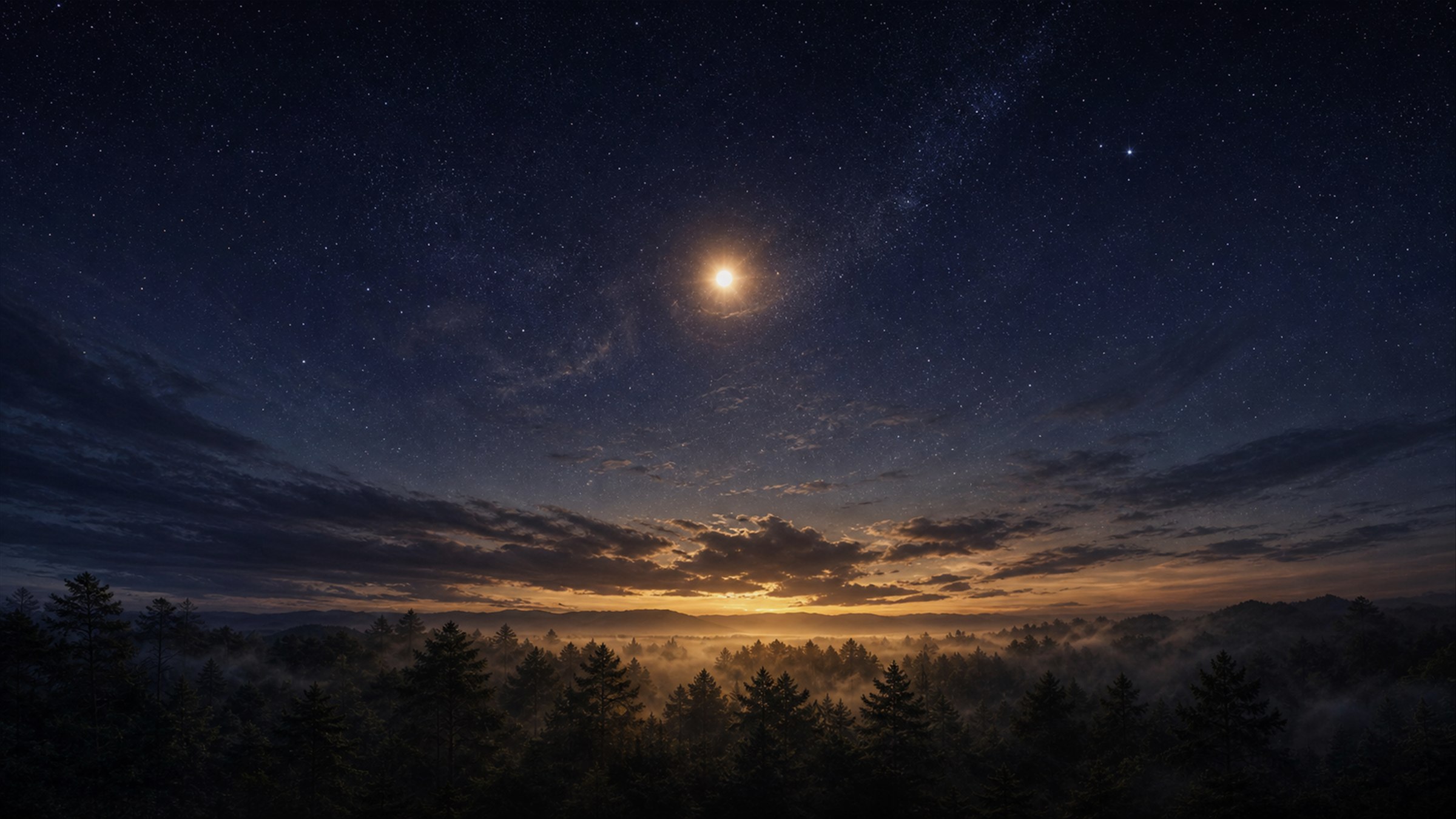
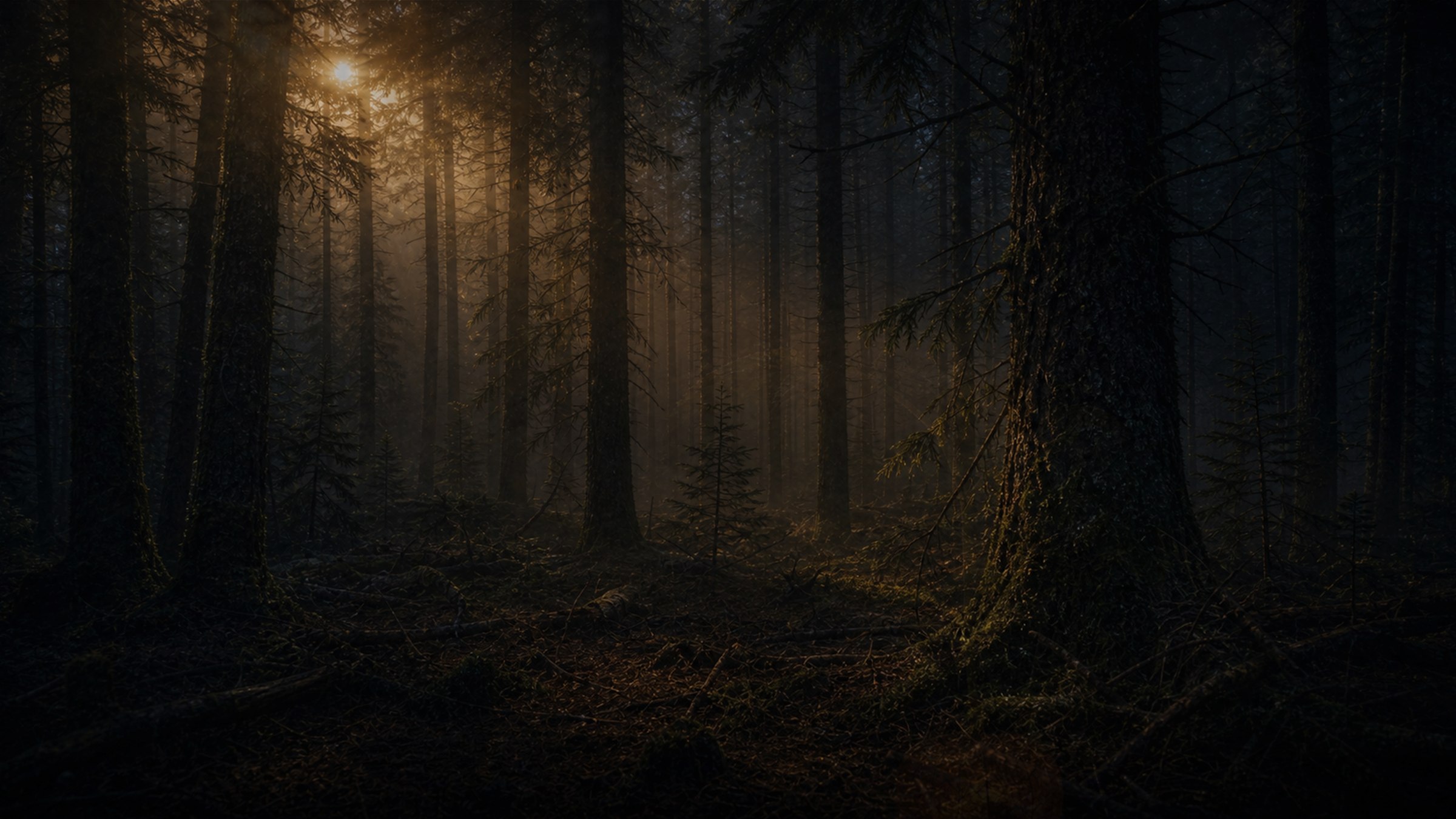

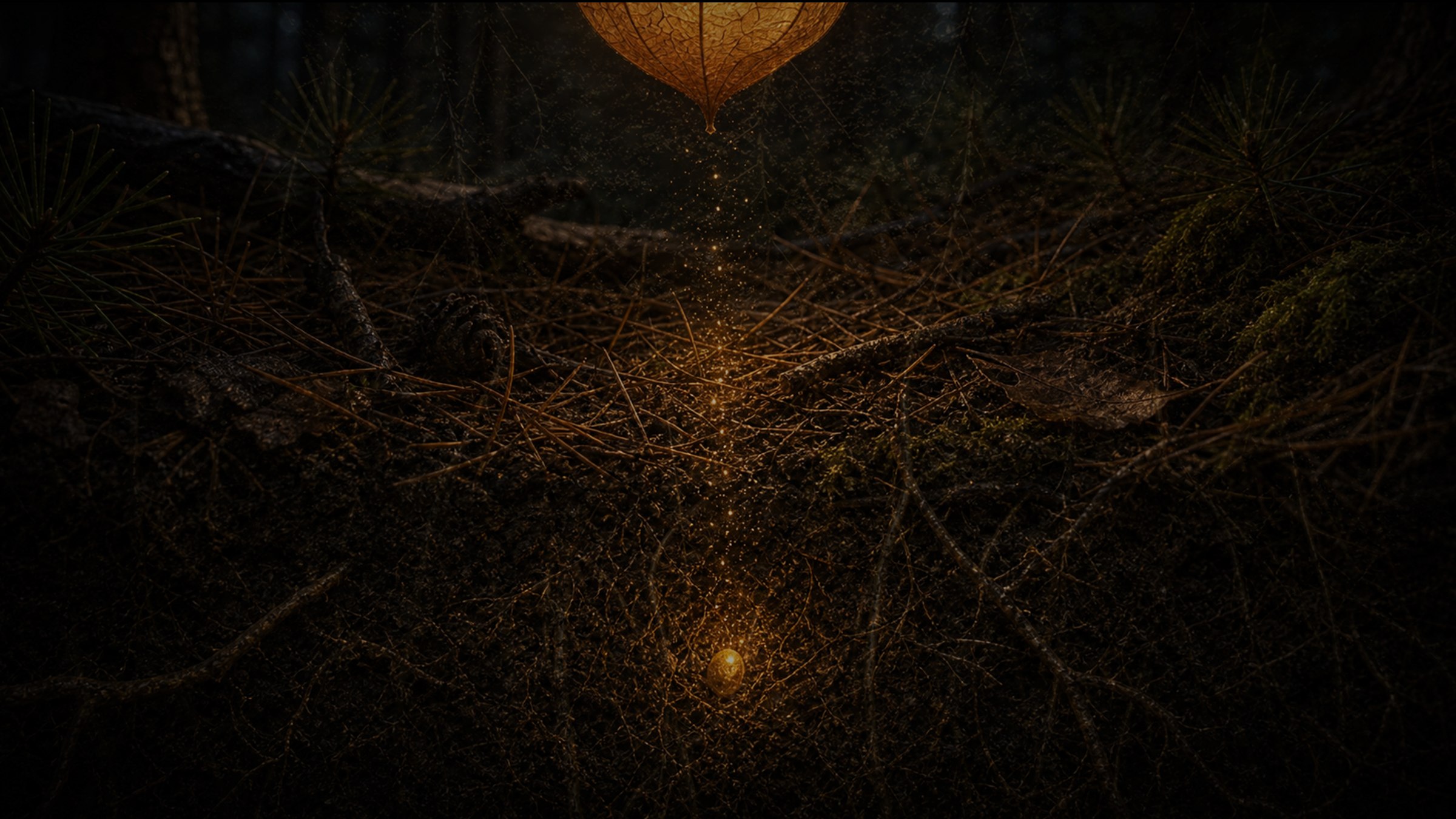
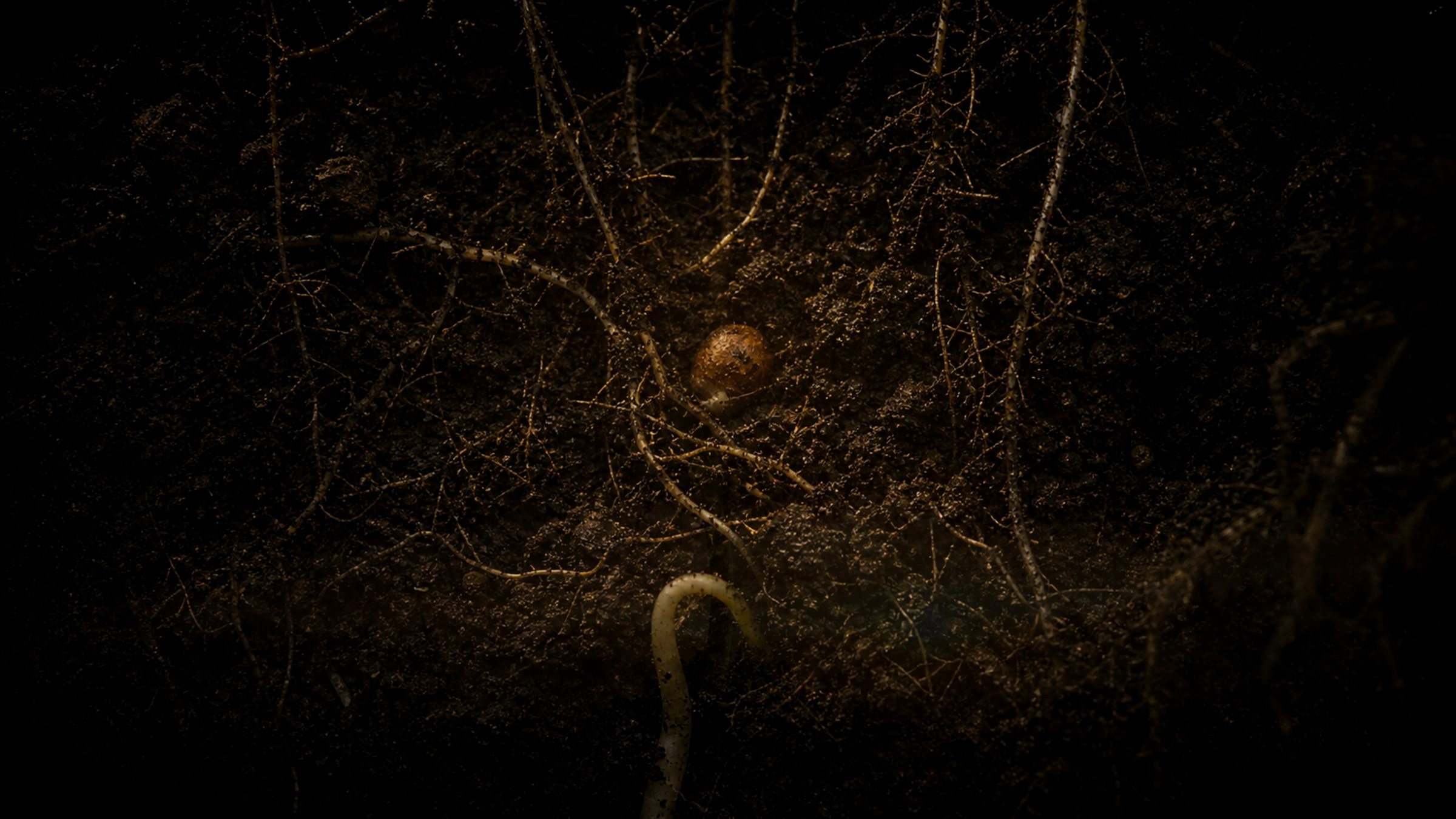
 01 · Sky
Drag through the six chapters — each frame hands its light to the next.
Sky
The hero and the proof strip — growth priorities into operating systems.
Forest
First principles — break the number apart.
Lantern
Operating rhythm — make strategy recurring.
Floor
AI-native execution — push the money into the product.
Threshold
Zero to one — the system before the team.
Buried glow
Judgment, then what’s next — the closing chapter, and the invitation to the right team.
Three rules kept a hundred generations one world.
Every frame is generated out of the frame before it — the next shot begins where the last one ended. If a frame couldn’t be entered from the previous one, it didn’t ship.
A single warm source is carried the whole way down: moon, god-ray, lantern, seed-glow. The light is the protagonist; the chapters are just where it lives.
Deep indigo to forest green to amber to umber soil. Conifer language only — the day a frame came back tropical, it was cut and regenerated.
Image models did the rendering. The direction — what survives, what gets re-shot, what the light is doing in every frame — was the work. The method was the oldest one I have: sit down and figure it out until it holds.
And an engine that respects the story.
The scene is fixed and the page scrolls natively — no hijack, no transformed body. Inertia comes from a smoothing layer over the true scroll, so the fall glides without breaking the browser.
WebGL drives the crossfades; if a device refuses, the same plates paint as plain layers. Missing or half-loaded frames degrade quietly instead of failing loudly.
Texture memory is capped per device, plates activate progressively around the viewport, and a lost graphics context recovers in place. Atmosphere is not an excuse for jank.
Creative direction and engineering aren’t separate jobs here. I set the rules, killed frames until the world held, and shipped the renderer that lets a stranger feel it in one scroll.